Commercial irrigation systems are expected to keep landscapes healthy and presentable, but they’re also responsible for protecting the potable water supply. A malfunctioning or improperly maintained backflow prevention device can allow water to move in the wrong direction, potentially creating a pathway for contaminants to enter drinking water.
For property managers and commercial building owners, understanding backflow testing in Massachusetts is an important part of irrigation maintenance and regulatory compliance. Knowing when testing may be required, what happens during an inspection, and how to plan ahead can make managing the system much easier.
Why Does Backflow Prevention Matter?
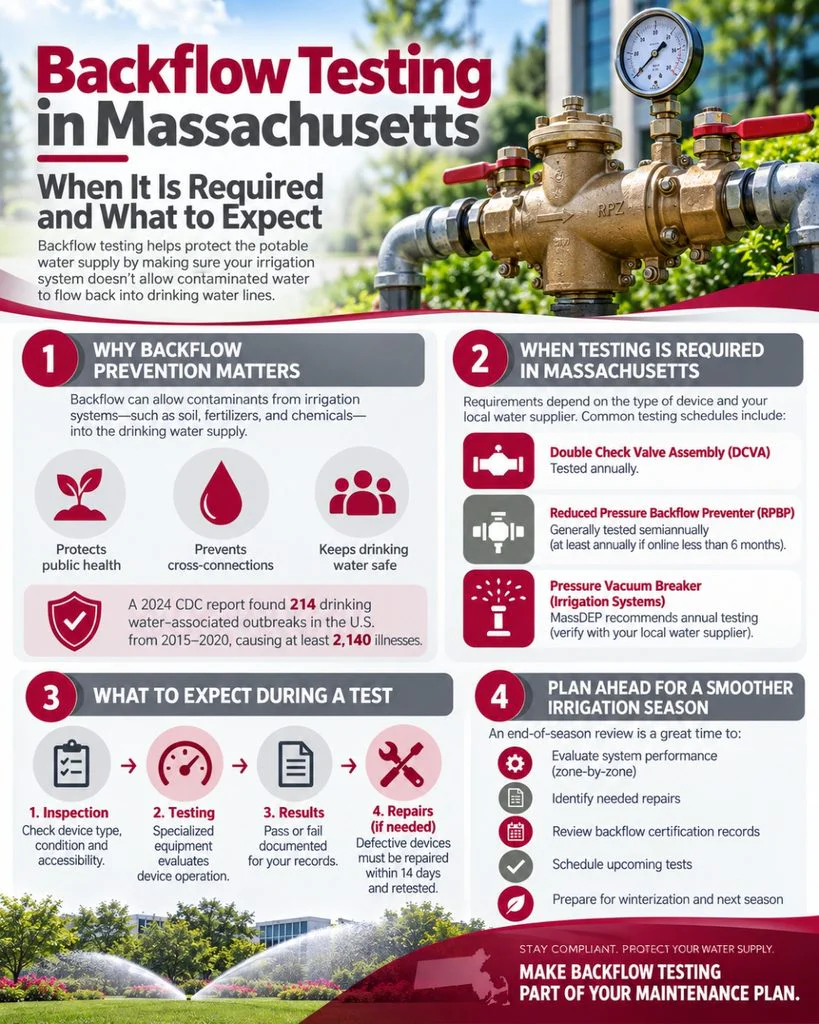
Backflow is the unwanted reversal of water or other substances into a potable water system. It can occur through backsiphonage, when supply pressure drops, or backpressure, when downstream pressure becomes greater than the potable water supply pressure.
Irrigation systems deserve particular attention because irrigation water can come into contact with soil, fertilizers, pesticides, microorganisms, and other substances. A properly functioning backflow prevention assembly helps separate these potential contaminants from drinking water.
According to a 2024 CDC report, 214 drinking water-associated outbreaks were reported in the U.S. from 2015–2020, resulting in at least 2,140 illnesses. While these outbreaks had many different causes, cross-connections between potable and nonpotable water resulting in backflow were among the contributing factors documented by the CDC.
When Is Backflow Testing in Massachusetts Required?
Massachusetts regulates cross-connection control through 310 CMR 22.22, but the exact testing schedule depends on the device, installation, and applicable water supplier requirements.
MassDEP’s Cross-Connection Control Program Manual states that registered double check valve assemblies (DCVAs) are tested annually by certified testers. Registered reduced pressure backflow preventers (RPBPs) are generally tested semiannually, although an RPBP that remains online for less than six months of the year must be tested at least annually.
For irrigation systems using other types of protection, requirements can differ. Local public water suppliers may also establish testing schedules or additional requirements. Property managers should therefore confirm the rules applicable to their specific system rather than assuming that every backflow device follows the same schedule.
What Happens During a Backflow Test?
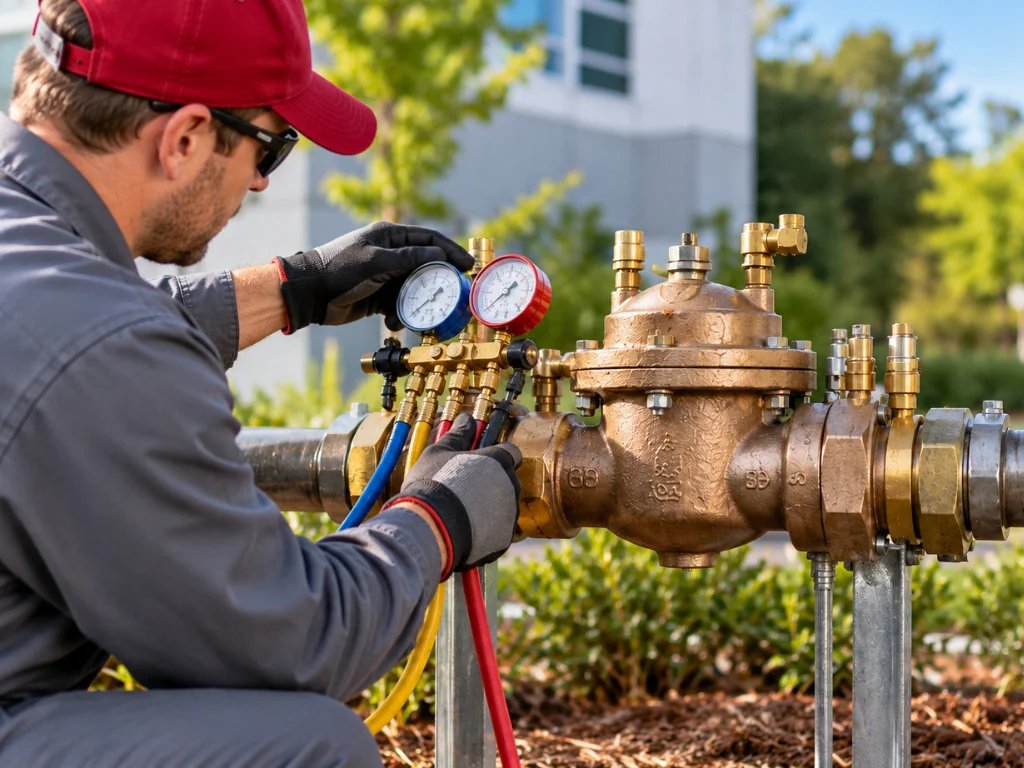
Professional backflow testing in Massachusetts typically starts by identifying the assembly and visually checking its overall condition. The tester may look for leaks, corrosion, physical damage, accessibility problems, and other visible concerns.
Specialized test equipment is then used to evaluate whether the assembly’s components operate as intended. Depending on the type of device, this can involve checking valves, relief mechanisms, and pressure differentials.
The results are documented as part of the testing process. If an applicable device fails its inspection, Massachusetts regulations require the owner to have a defective device repaired, overhauled, or replaced within 14 days of the initial inspection and then retested.
How Backflow Testing Fits Into an End-of-Season Irrigation Review
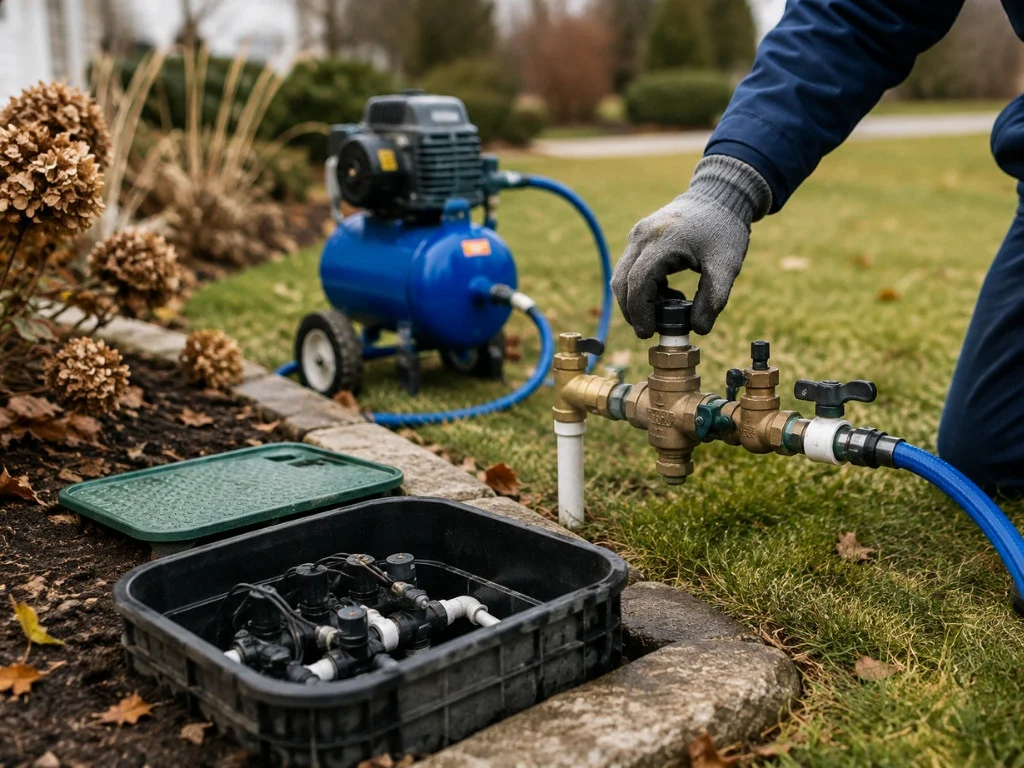
Backflow testing can be coordinated with a broader end-of-season irrigation review to give property managers a clearer picture of system condition before winter.
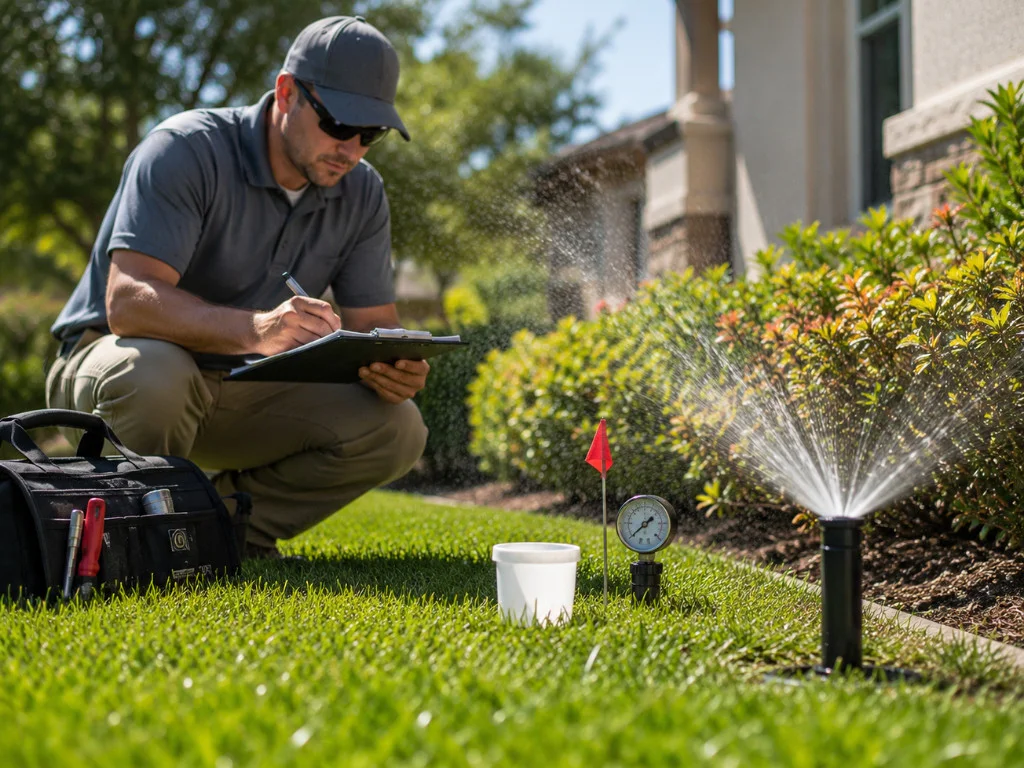
Along with reviewing backflow equipment and upcoming certification requirements, a commercial irrigation inspection may identify visible leaks, damaged sprinkler heads, pressure inconsistencies, coverage problems, controller issues, and outstanding repairs. Larger properties can also benefit from checking individual irrigation zones for problems that may otherwise go unnoticed.
Documenting these issues at the end of the season can create a practical maintenance plan for winterization, repairs, and the following spring startup.
Backflow Certification Planning
Compliance is easier to manage when backflow testing in Massachusetts becomes part of the property’s regular maintenance calendar.
Property managers should keep records of the backflow device type, serial number, previous testing date, applicable testing frequency, test results, repairs, retesting, and the certified tester who performed the work. Massachusetts regulations require owners to retain inspection and maintenance reports for applicable devices for seven years.
An end-of-season review is also a convenient opportunity to check when the next test is due and confirm requirements with the local water supplier. Doing so can help prevent certification deadlines from becoming last-minute tasks.
Stay Ahead of Backflow Testing Requirements
Backflow testing is an important part of protecting potable water supplies and maintaining commercial irrigation compliance. Keeping track of testing schedules, certification records, repairs, and seasonal irrigation needs can help property managers stay ahead of required maintenance.
Corbett Irrigation provides professional backflow testing and certification for commercial irrigation systems in Massachusetts. Contact our team to schedule backflow testing, review your irrigation system, and prepare for upcoming maintenance requirements.